
Globally, women were traditionally associated with domestic roles that were deeply rooted in cultural, religious, and societal expectations. These norms often placed women in an inferior position to men, confining them to household responsibilities and limiting their participation in public life.
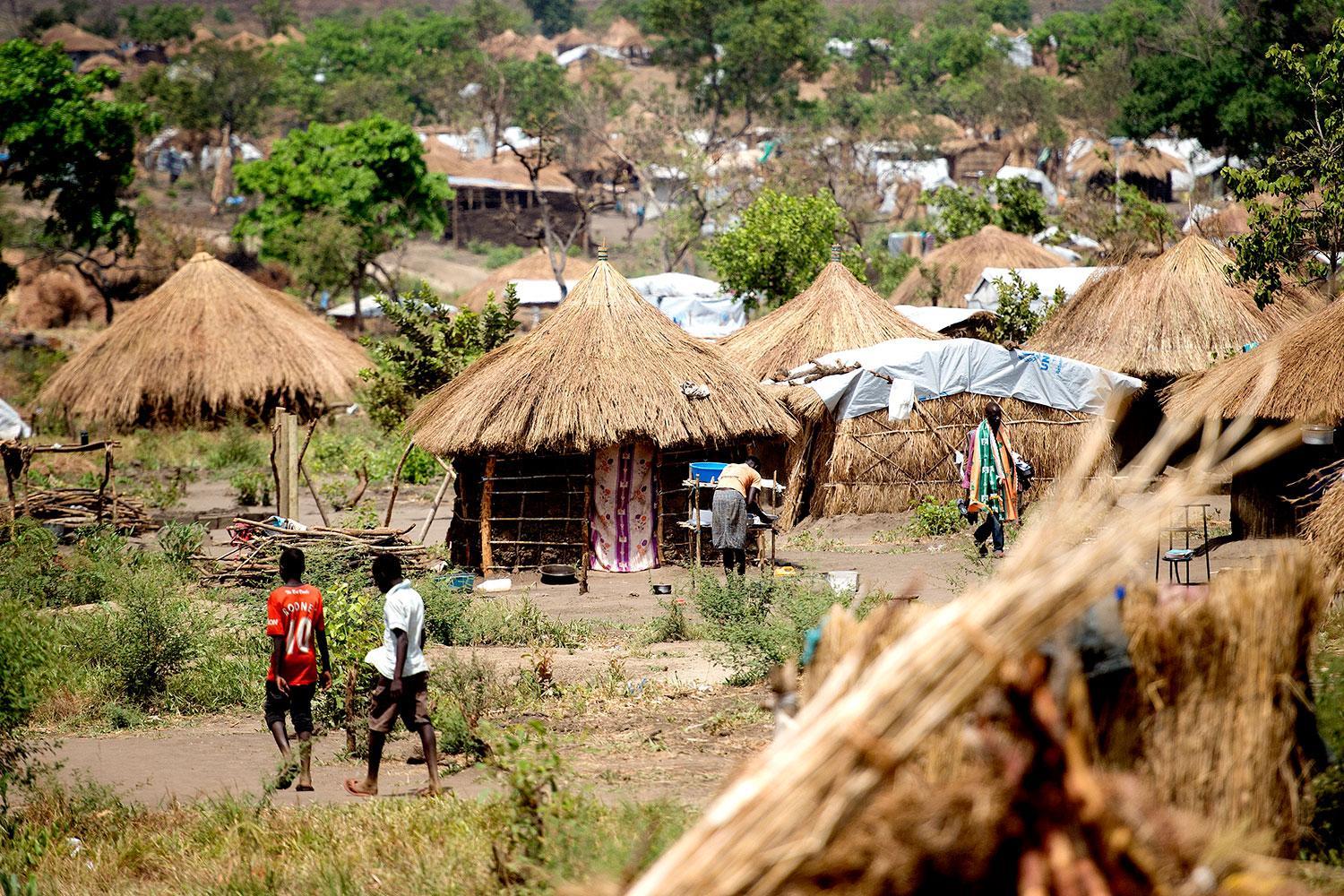
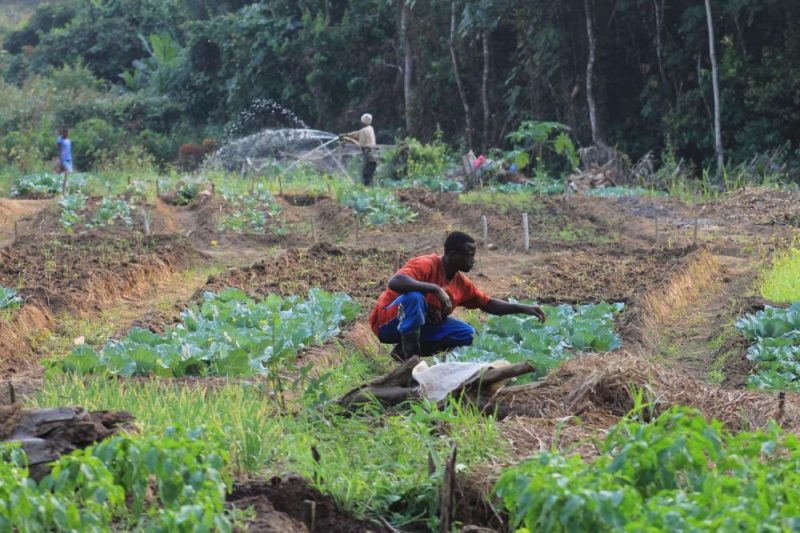
Just like elsewhere in the world, in Uganda, women were primarily responsible for domestic chores and agricultural labor. Within the patriarchal structure, marriage and family life integrated women into their husband’s clan, culture, and religion. Economically, women depended heavily on their male relatives, which significantly limited their influence and decision-making power.
However, these traditional views are evolving. Thanks to feminist movements and advocacy for gender equality, we are witnessing significant shifts in women’s participation in the workforce and public life.
Empowering the Woman
Today, Uganda has made tremendous progress in women empowerment through various programs and initiatives.
Some of these include:
- The Uganda Women Entrepreneurship Program (UWEP) – focusing on financial inclusion and business skills for women.
- The Resilient Women Organization – offering training and support for women entrepreneurs.
- Affirmative action policies – which have led to increased political participation and representation of women in Parliament and local government.
This progress is also visible in the education sector, where girls are given an upper hand in university entry and scholarship opportunities compared to the boy child.
(Source: Friedrich Ebert Stiftung)
The Resilient Women Organization has identified the four enemies of the Ugandan girl child as child marriages, teenage pregnancies, school dropouts, and HIV/AIDS and other STIs.
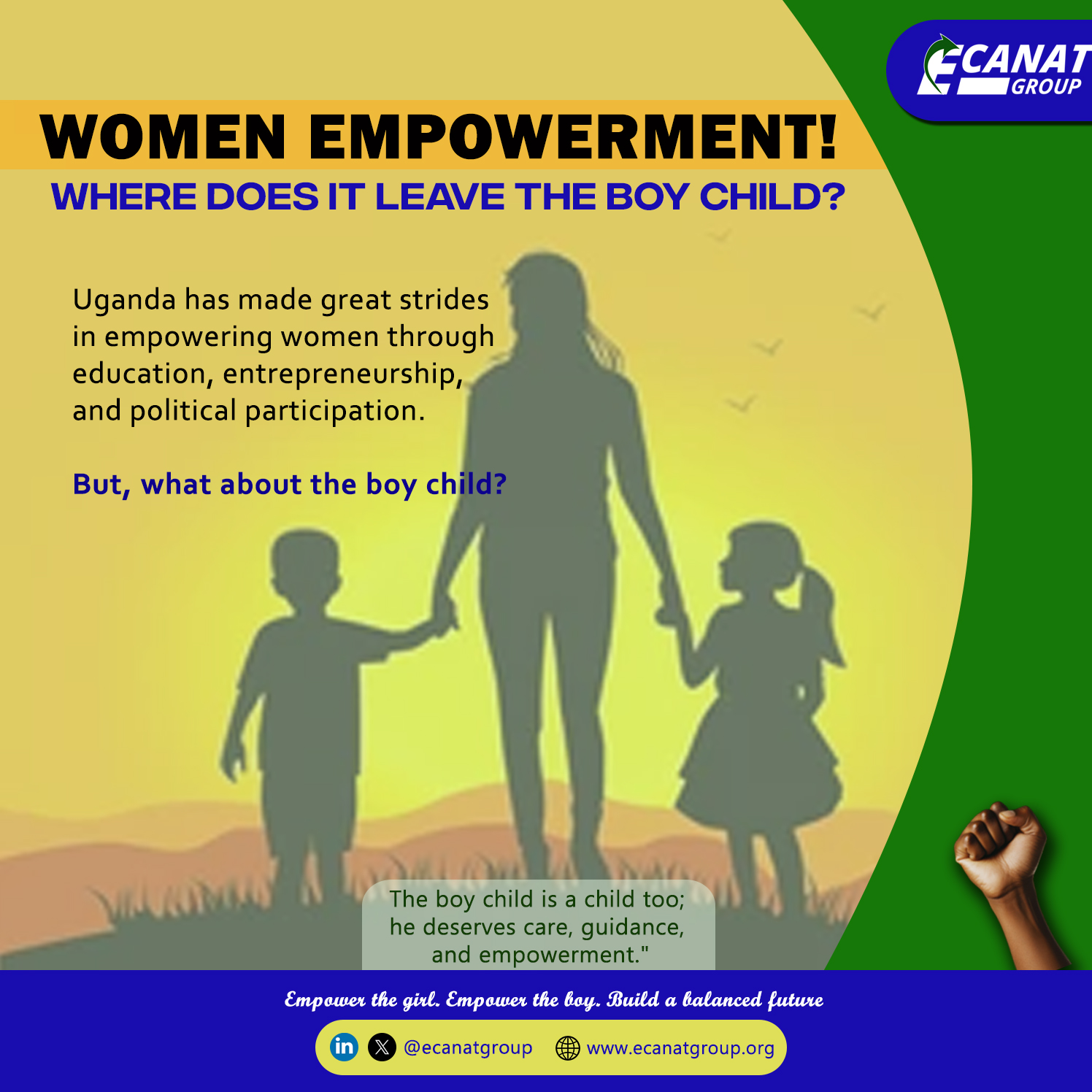
But this raises an important question — what is the role of the boy child in “the four enemies of the girl child”?
(Source: Resilient Women Uganda)
The Boy Child: The Forgotten Side
While there has been a great deal of progress in supporting the girl child, the boy child seems to have been left behind. A few organizations have emerged to address this gap, though more still needs to be done.
For instance, the Boy Child Adolescent and Skilling Foundation (BASFUG) acknowledges that:
“Over the years, emphasis has been laid on empowering the girl child and, in the process, shunning the boy child. The issues of the boy child vis-à-vis the girl child in our society have largely been ignored. The boy child, despite how society chooses to treat him, is still vulnerable. He is a child just like the girl child and should be treated with care. He is the future husband to this empowered girl and the father.”
(Source: BASFUG)
A Call for Balance
As we continue to celebrate the empowerment of women, it is vital that we intentionally uplift the boy child as well.
Empowering boys does not weaken the cause of women — it strengthens society as a whole. After all, today’s boy child will become tomorrow’s brother, husband, and father.
Let’s collectively work towards shaping the balanced generation we desire — one where both girls and boys are given equal opportunities to grow, lead, and thrive.