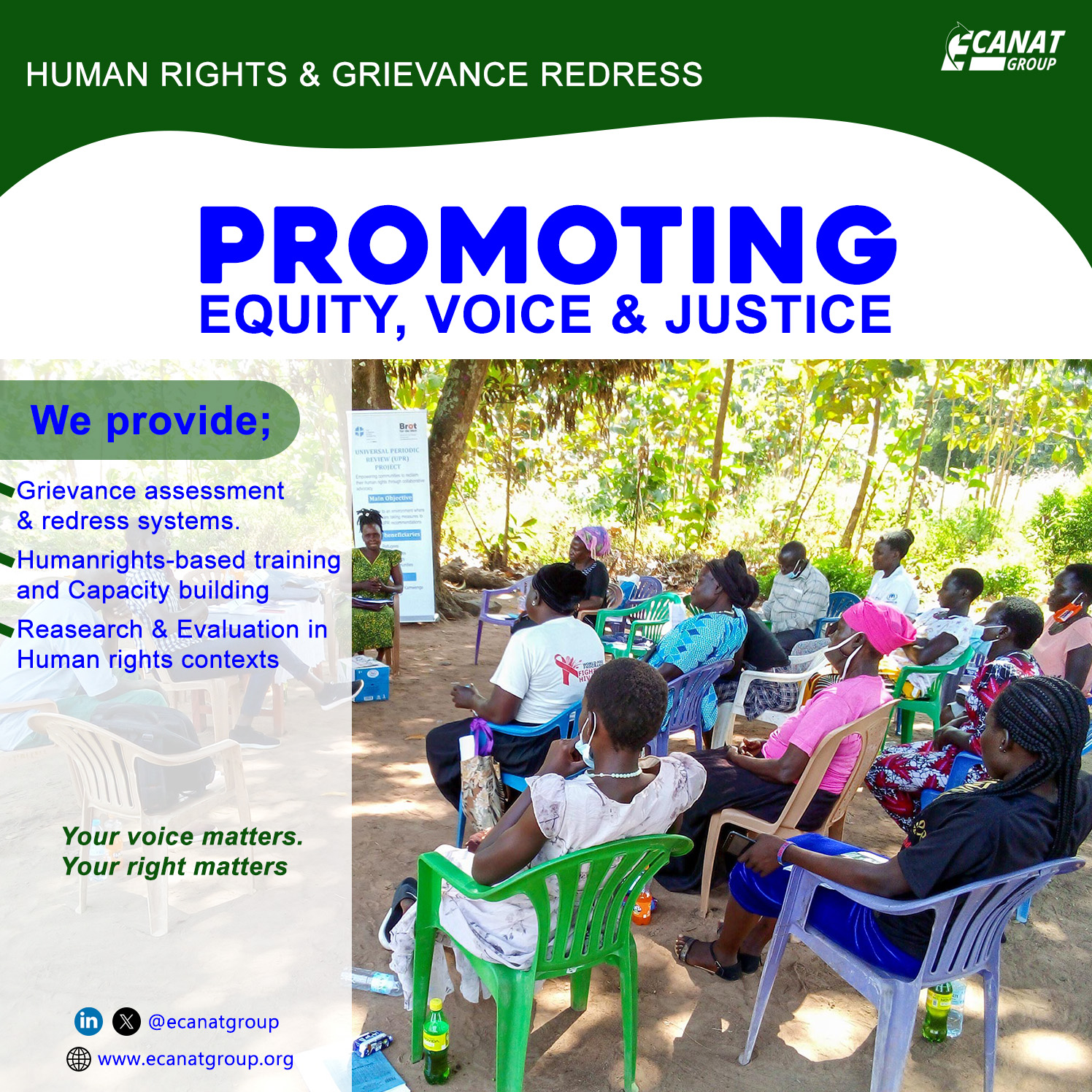

A grievance redress mechanism lets individuals and communities report complaints, concerns or violations in a safe way. It is meant to protect people who speak up and make sure complaints are handled fairly, confidentially and openly.
In Uganda, many citizens and groups face real concerns about human rights, public services and projects. Recent political tensions and social issues have brought these questions into sharper focus. Uganda held a disputed election in January 2026. There were reports of internet restrictions, detentions of opposition supporters and rising fears about personal safety. Human rights groups and the United Nations urged respect for human rights and the rule of law during and after the vote.
A grievance redress mechanism can provide a structured way for people to raise issues related to government decisions, development projects or public services. It can help communities share concerns about activities that affect their lives before conflicts grow. Mechanisms exist at different levels, such as district systems and project offices, and can include committees that receive and review complaints.
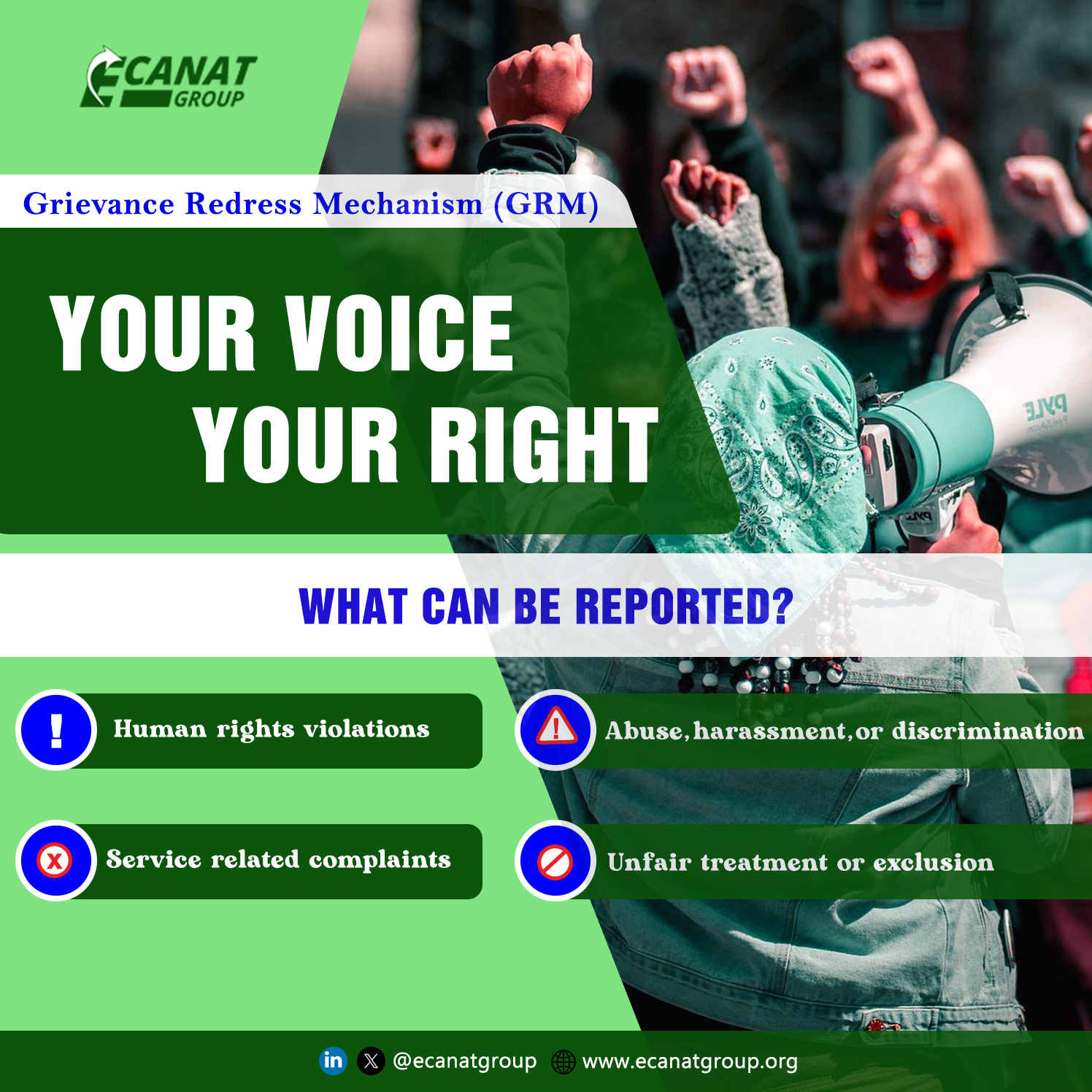
What Can Be Reported?
People can use a grievance redress mechanism to report:
• Human rights violations: These include arbitrary arrest, excessive use of force or threats against individuals. Civil society groups and international experts have documented such concerns in recent years.
• Abuse, harassment or discrimination: This covers unfair behaviour in workplaces, schools or communities. National bodies like the Equal Opportunities Commission and the Uganda Human Rights Commission handle some of these complaints.
• Unfair treatment or exclusion: Individuals who feel left out of services or decision making may seek redress. This can include labour disputes or social protection issues.
• Project or service related complaints: People affected by a public project, such as resettlement or compensation matters, can lodge grievances with project-level mechanisms. Many development projects in Uganda include public complaint channels to resolve issues at the lowest level.
For many Ugandans, the ability to report problems without fear is an important part of public life. A functioning redress system can help build trust between communities and institutions. It also complements formal legal routes, such as courts and independent commissions, that address specific complaints.
A strong grievance redress mechanism does not replace other rights or avenues for justice. Instead, it adds an accessible option for people to raise concerns, track responses and seek fair outcomes.