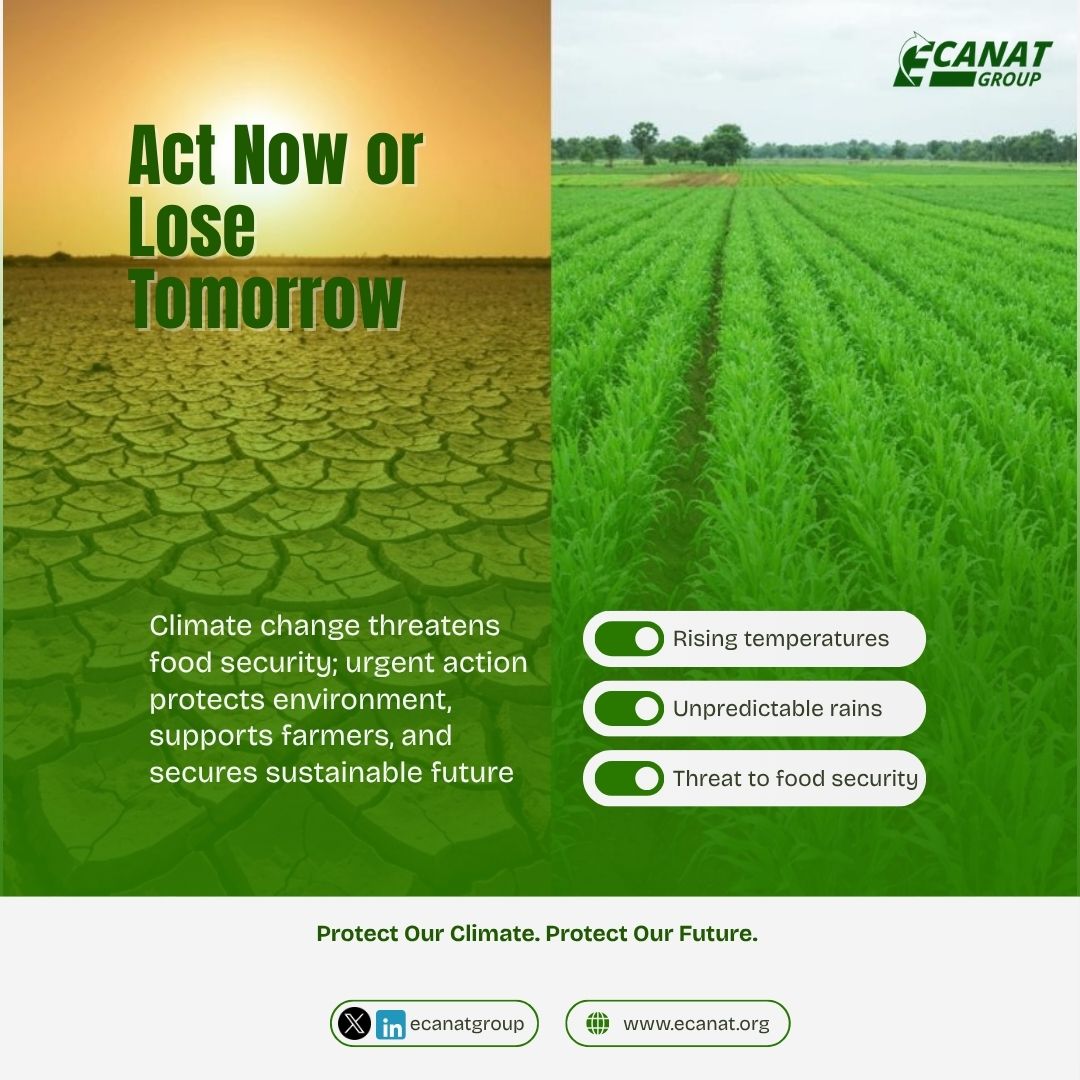

Livestock farming is increasingly facing challenges from climate change, including drought, rising temperatures, and emerging animal diseases. Adopting climate smart animal rearing practices is becoming essential for farmers who want to remain productive while protecting the environment.
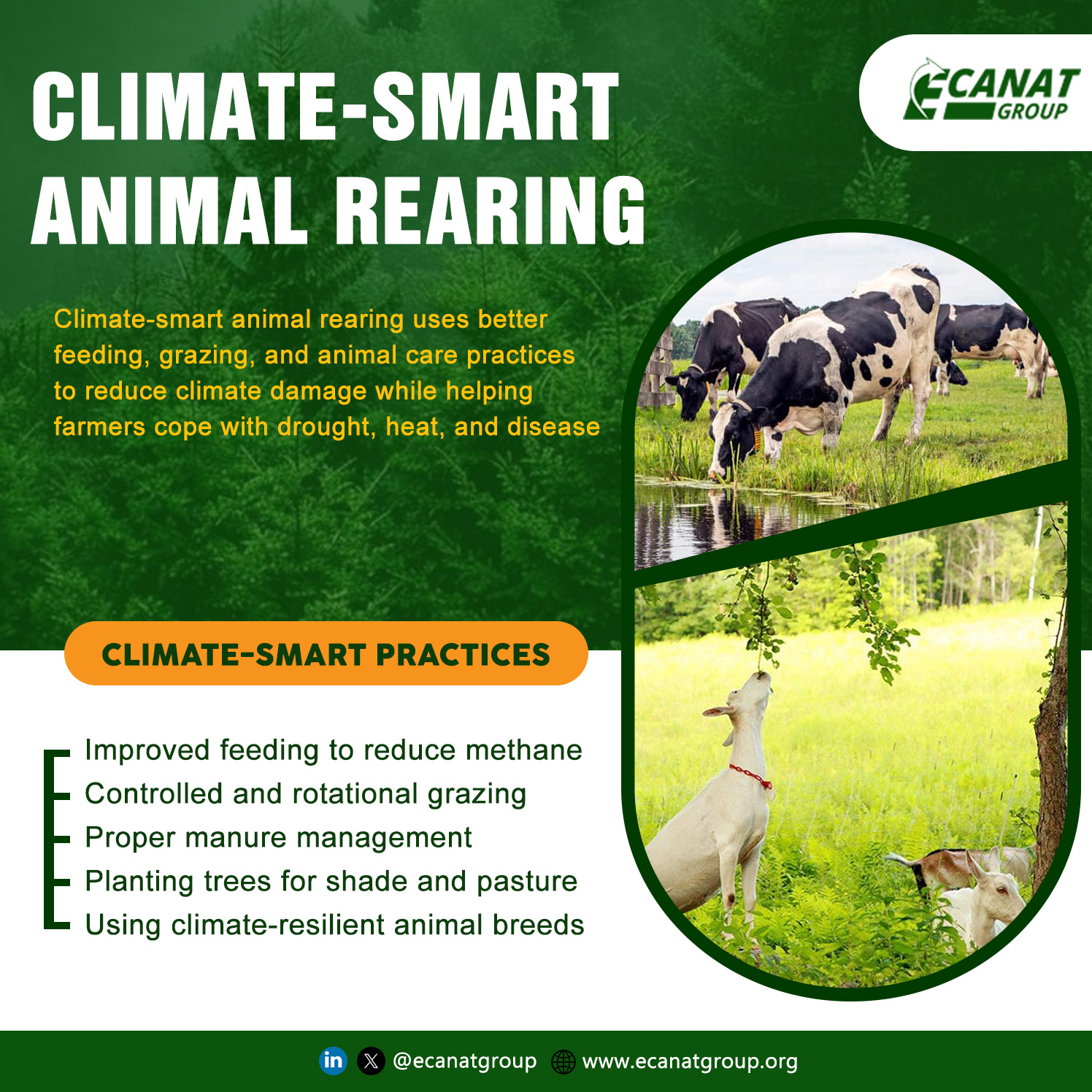
Climate smart animal rearing focuses on better feeding systems, improved grazing methods, and responsible animal care practices. These approaches help reduce greenhouse gas emissions while strengthening farmers’ ability to adapt to climate related challenges.
Some key practices include improving animal feeding to reduce methane emissions, using controlled and rotational grazing to protect pasture, practicing proper manure management, planting trees to provide shade and support pasture growth, and using animal breeds that are resilient to changing climate conditions.
By adopting these strategies, farmers can improve productivity, protect natural resources, and contribute to a more sustainable agricultural system.
Sustainable livestock production is not just about farming. It is about protecting livelihoods, strengthening food security, and building resilience for future generations.