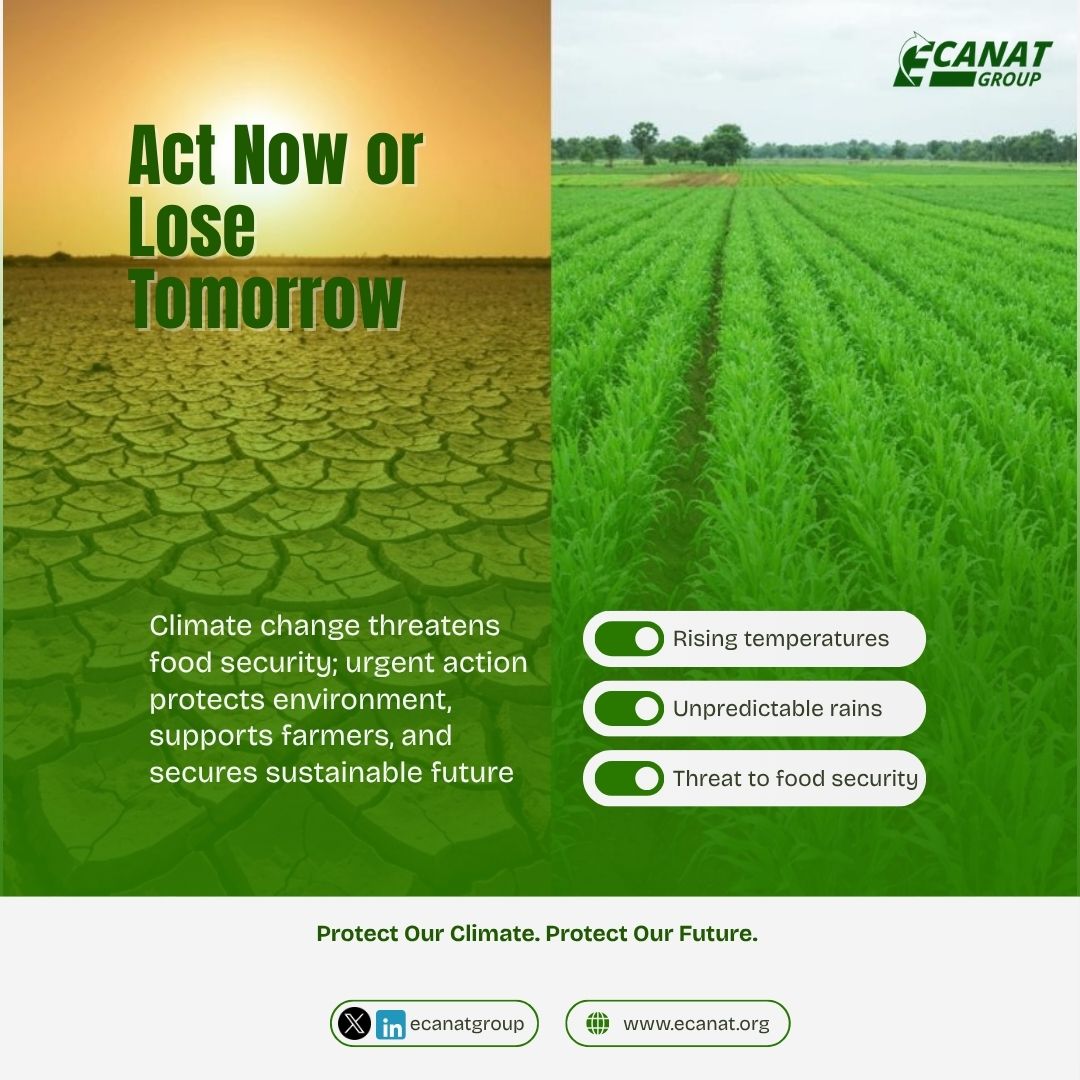

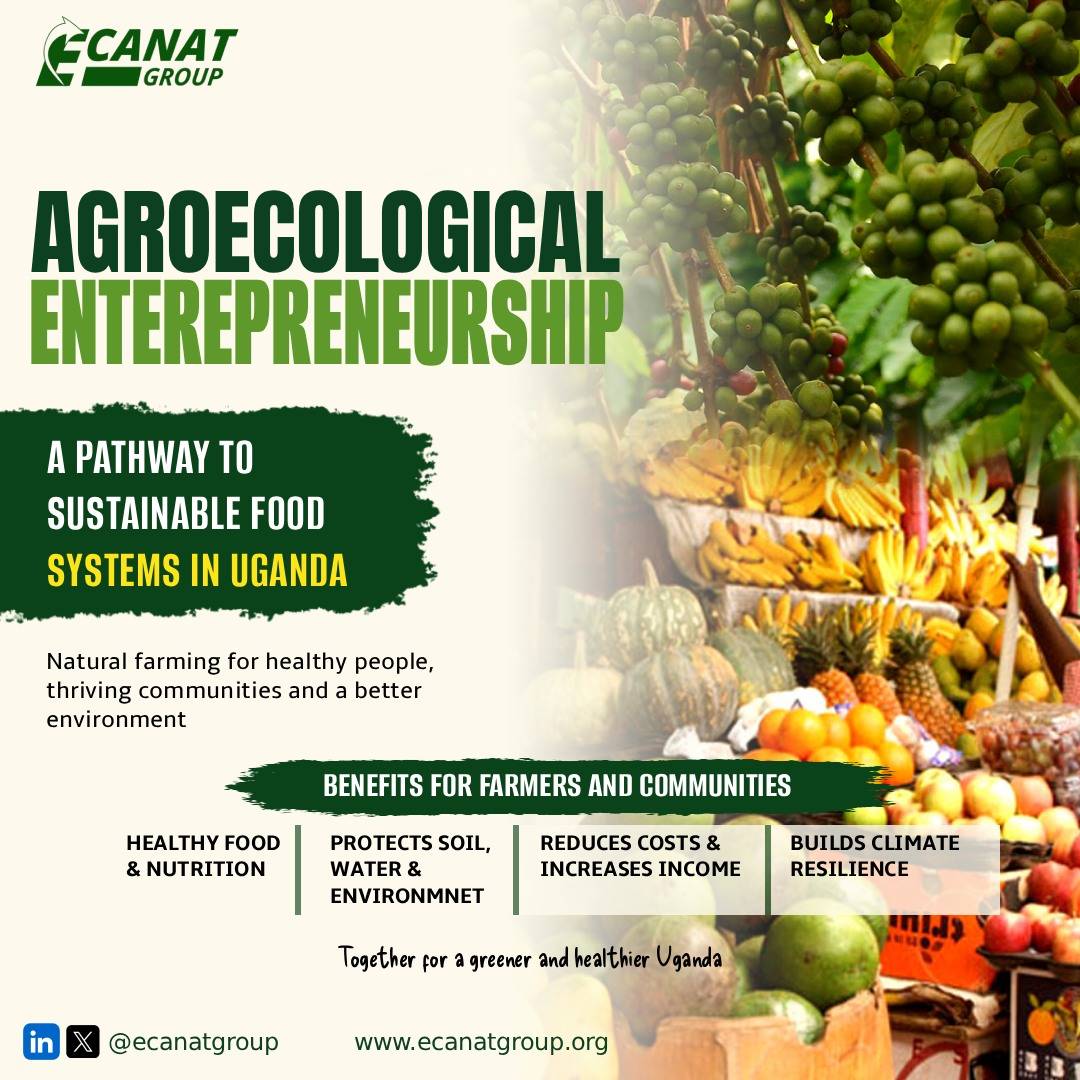
With the recent climate trends showing the escalating reality of unprecedented global temperatures and increasingly erratic weather, sustainable production is a challenge in Africa and Uganda. Many farmers have turned to conventional methods of production with little concern for environmental preservation (EPRC Uganda, 2023). There are a number of organizations training farmers in agroecological principles, which go beyond organic farming by treating farms as dynamic, self sustaining ecosystems. The practice is becoming a viable enterprise with the potential to transform livelihoods. By reducing dependence on costly chemical inputs and promoting natural farming methods, farmers are able to produce healthier food while preserving soil fertility and biodiversity. According to the Scientific Group of the UN Food Systems Summit 2021 report, food systems contribute approximately 17% of the country’s Gross Domestic Product.
Agroecology not only promotes healthy and diverse food systems but also leads to the conservation of biodiversity, improved resource management, stabilization of yields, and strengthened resilience to the impacts of climate change.
With the current four acre agricultural model promoted by the president, agroecology entrepreneurship comes in handy along the value chains to create sustainable financial avenues, mainly for youth and women. With the global need to consume healthy and safe foods that put sustainable practices into consideration, this promises ready markets both locally and internationally. The practice leads to environmental development and diversification, resulting in food security. This, coupled with value addition along the different value chains, leads to job creation and financial freedom.
According to the Economic Policy Research Centre (2023), entrepreneurship initiatives also increase the resilience of food systems to market shocks, for instance, by creating shorter value chains for agricultural products.
However, it should be noted that knowledge about agroecology needs to spread further to the grassroots to enable larger supplies of products that meet international standards. Government has a key role to play in ensuring sustainability, including providing training on agroecology, skills in processing, branding, and marketing, as well as availing financial support specifically to agroecology farmers as motivation to engage in the practice.
In conclusion, there is a collective responsibility for everyone to protect the environment, which agroecology addresses. Through this, we cater for future generations while strengthening the finances of different families engaged in the enterprise.