
Wildlife is one of the world’s most valuable natural resources. From elephants and lions to birds and smaller species, animals play an important role in maintaining healthy ecosystems and supporting the balance of nature. Protecting wildlife is therefore not only about saving individual species but also about protecting the environment and the communities that depend on it.
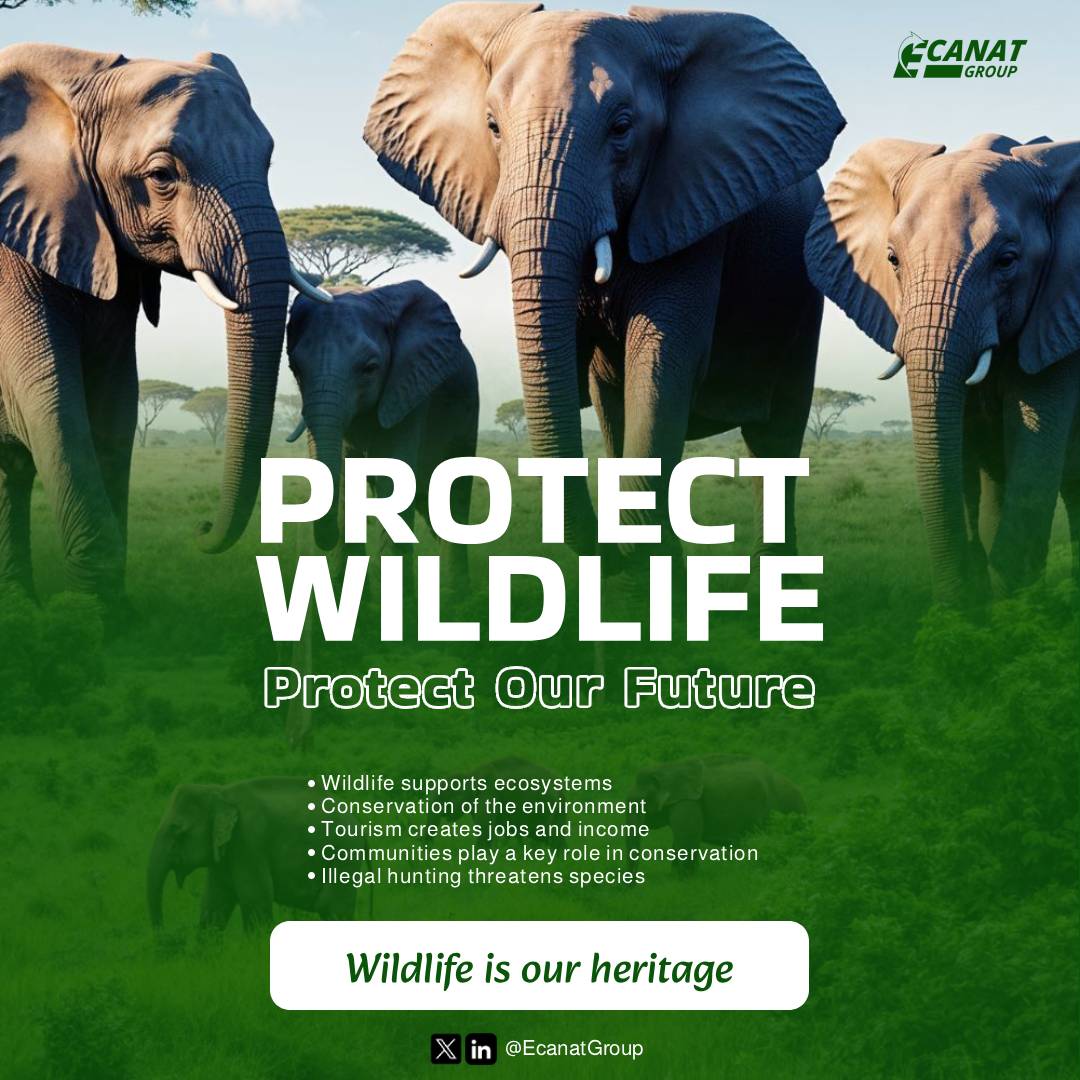
Wildlife supports ecosystems in many ways. Animals help spread seeds, maintain vegetation, support food chains and contribute to the natural processes that keep ecosystems functioning. When wildlife populations decline, the effects can extend beyond the animals themselves and disrupt the wider environment.
Conservation is also important for protecting natural habitats. Forests, wetlands, grasslands and other ecosystems provide food and shelter for wildlife while also supporting human life. Protecting these areas helps preserve biodiversity, protect water sources and strengthen the environment against the effects of climate change.
Wildlife can also contribute significantly to local and national economies. Tourism based on wildlife and nature attracts visitors, creates jobs and generates income for communities, businesses and governments. In countries such as Uganda, wildlife and protected areas form an important part of the tourism sector and provide opportunities for people living around conservation areas.
However, wildlife continues to face serious threats. Illegal hunting, habitat destruction, pollution and human wildlife conflict can put many species at risk. As human populations expand and natural habitats come under increasing pressure, finding ways for people and wildlife to coexist is becoming increasingly important.
Communities have a key role to play in conservation. Protecting wildlife should not be seen as the responsibility of governments and conservation organisations alone. Communities can help by protecting natural habitats, reporting illegal activities, supporting responsible tourism and avoiding practices that threaten wildlife.
Conservation also requires cooperation among governments, communities, businesses, conservation organisations and other stakeholders. Education and public awareness can help people understand the value of wildlife and encourage responsible behaviour toward nature.
Protecting wildlife is ultimately an investment in the future. When we conserve animals and their habitats today, we help ensure that future generations can benefit from healthy ecosystems, natural resources and the economic opportunities that wildlife can provide.
Wildlife is our heritage. Protecting it today means protecting our future.