
The signs of climate change are no longer distant warnings; they are part of everyday life. Across Uganda and much of East Africa, farmers are experiencing longer dry spells, unpredictable rainfall, rising temperatures, and declining agricultural productivity. What was once considered unusual weather has become an increasingly common reality, threatening livelihoods, ecosystems, and food security.
The message is simple: if we fail to act today, we risk losing the opportunities and resources that future generations depend on.
The “Act Now or Lose Tomorrow” campaign reflects this urgent reality. It is a call for governments, communities, businesses, and individuals to embrace practical climate action before the effects become even more difficult to reverse.
“Protect Our Climate. Protect Our Future.”
Climate Change Is Changing Agriculture
Agriculture remains the backbone of Uganda’s economy and the primary source of income for millions of households. Yet it is also one of the sectors most vulnerable to climate change. Even small changes in weather patterns can have significant consequences for farmers who rely on predictable seasons.
Today, many farming communities are facing:
- Rising temperatures that reduce crop yields and increase water demand.
- Unpredictable rainfall that disrupts planting and harvesting seasons.
- Extended droughts and floods that destroy crops, livestock, and infrastructure.
- Growing threats to food security, leading to reduced household incomes and increased vulnerability.
Research continues to show that climate variability is placing increasing pressure on agricultural production, particularly in regions where livelihoods depend heavily on rain-fed farming.
Why Food Security Depends on Climate Action
Food security is more than having enough food on the table today. It means ensuring that communities have reliable access to safe, nutritious, and affordable food now and in the future.
Climate change threatens every part of this system. Lower agricultural productivity affects farmers’ incomes, increases food prices, and places additional pressure on already vulnerable communities.
Protecting food security therefore requires more than increasing production. It demands sustainable farming practices, responsible natural resource management, improved irrigation, stronger value chains, and informed policy decisions that build resilience rather than simply responding to crises.
This is why climate action and food security must always go hand in hand.
Turning Research Into Action
At ECANAT Group, we believe that lasting solutions begin with evidence.
Our work combines research, field assessments, community engagement, and technical expertise to help governments, development partners, NGOs, and local communities make informed decisions that strengthen resilience and promote sustainable development. Our focus areas include climate resilience, agriculture, food security, environmental management, urban development, and human rights.
Over the years, ECANAT has contributed to studies involving:
- Climate risk and vulnerability assessments.
- Sustainable agriculture and food security research.
- Irrigation and water resource management.
- Reforestation and ecosystem restoration initiatives.
- Value chain and cost-benefit analyses for agricultural enterprises.
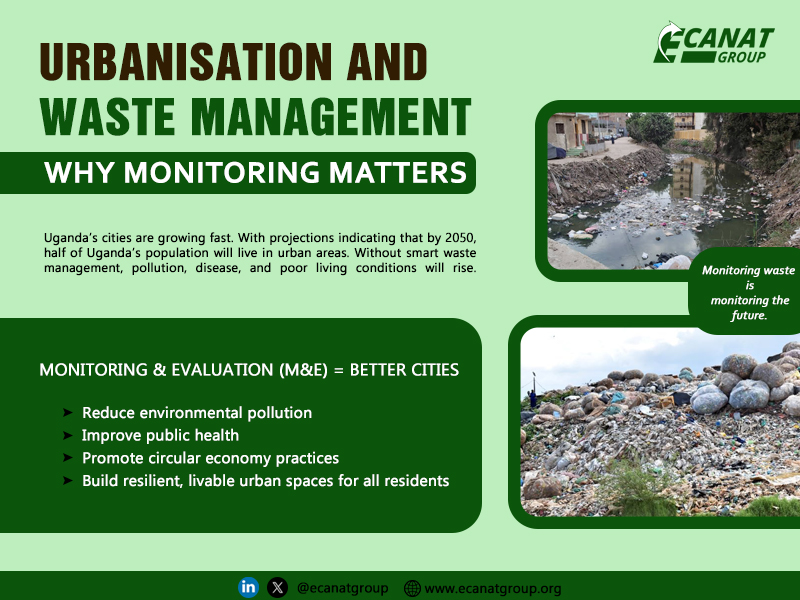
- Environmental monitoring and natural resource conservation.
Our approach is rooted in one principle: research should lead to practical solutions that improve lives.
Building Climate-Resilient Communities
Addressing climate change requires collective action. Governments must develop supportive policies, development partners must invest in sustainable solutions, researchers must generate reliable evidence, and communities must be empowered with knowledge and appropriate technologies.
Some of the most effective actions include:
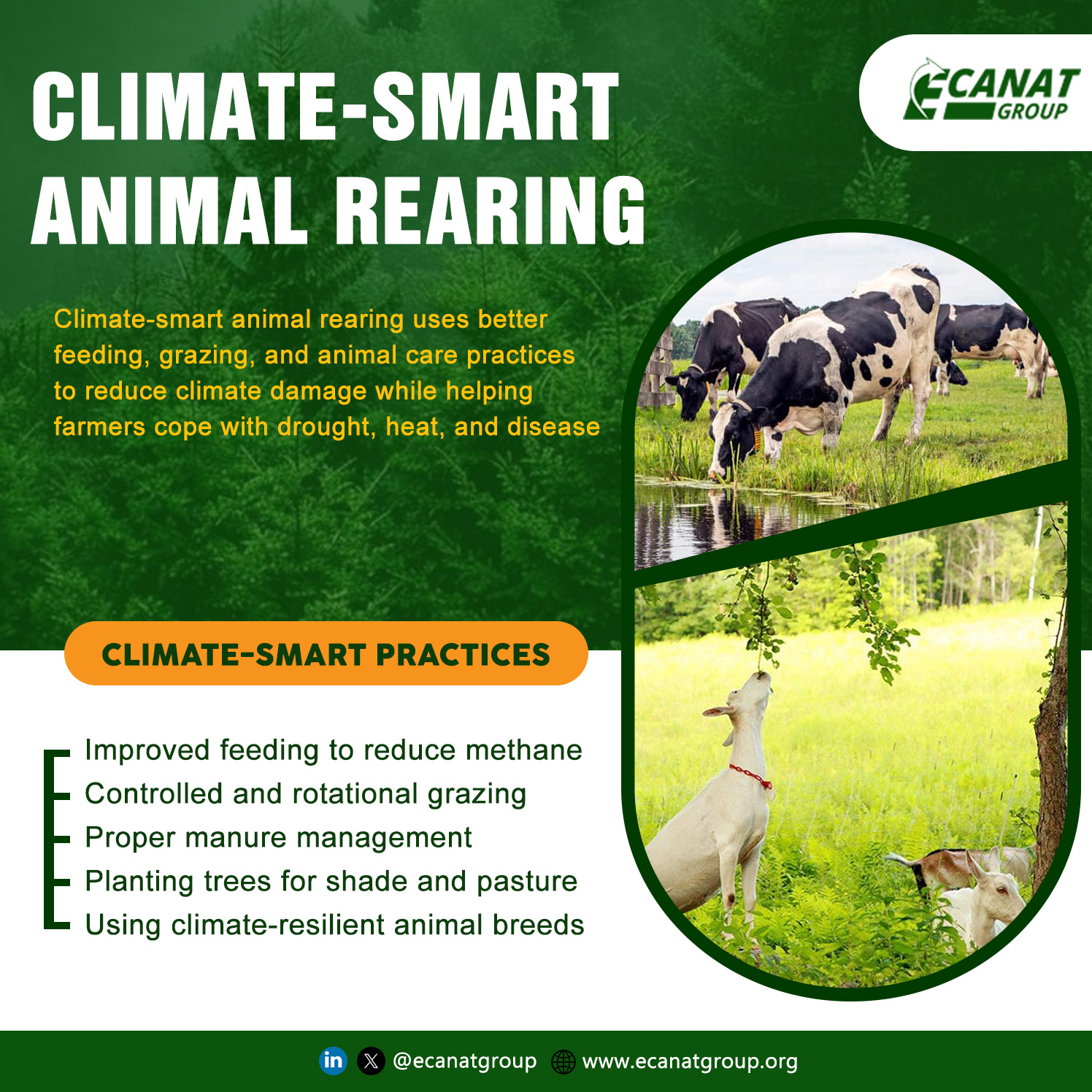
- Promoting climate-smart agriculture.
- Conserving forests, wetlands, and water catchments.
- Supporting sustainable land management.
- Investing in efficient irrigation systems.
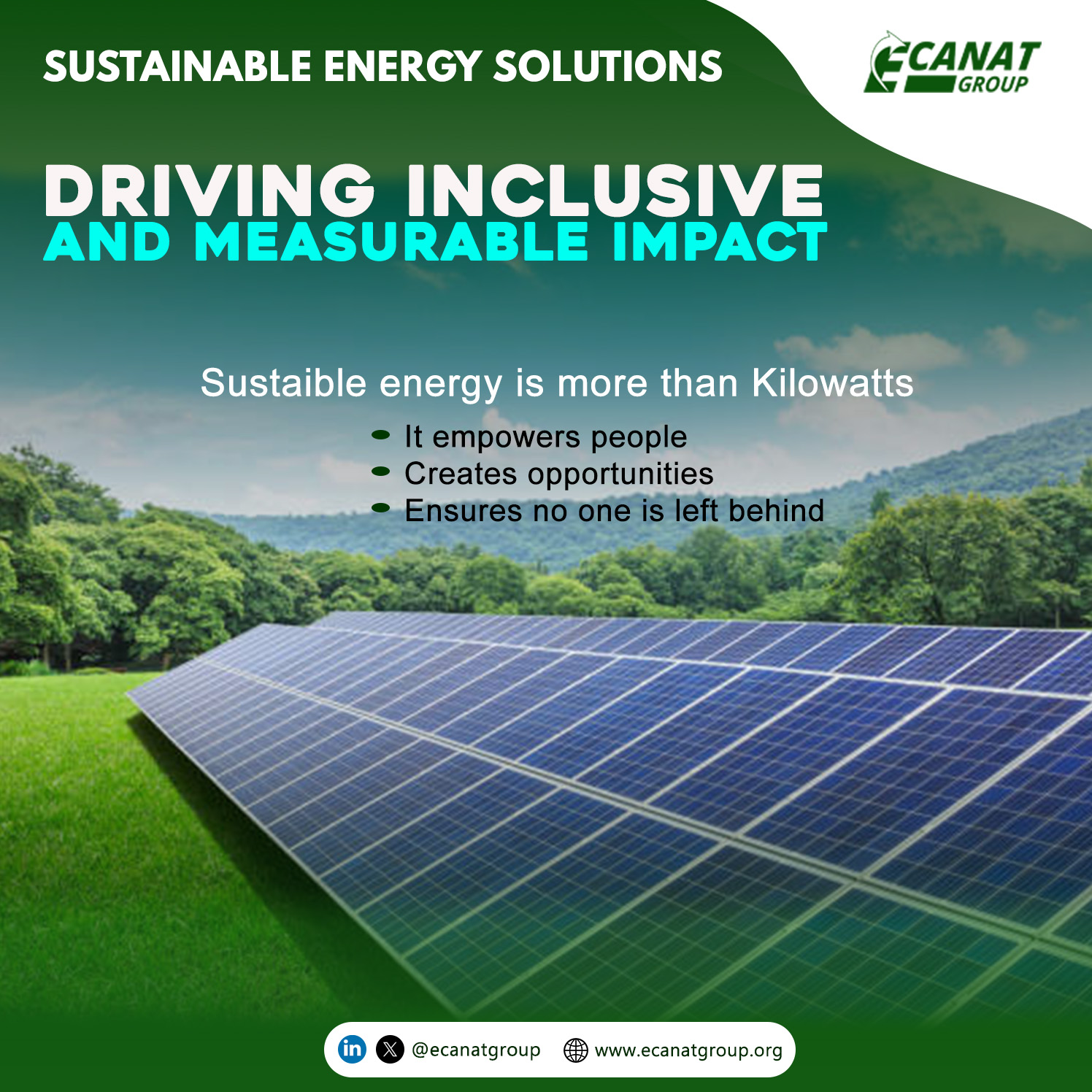
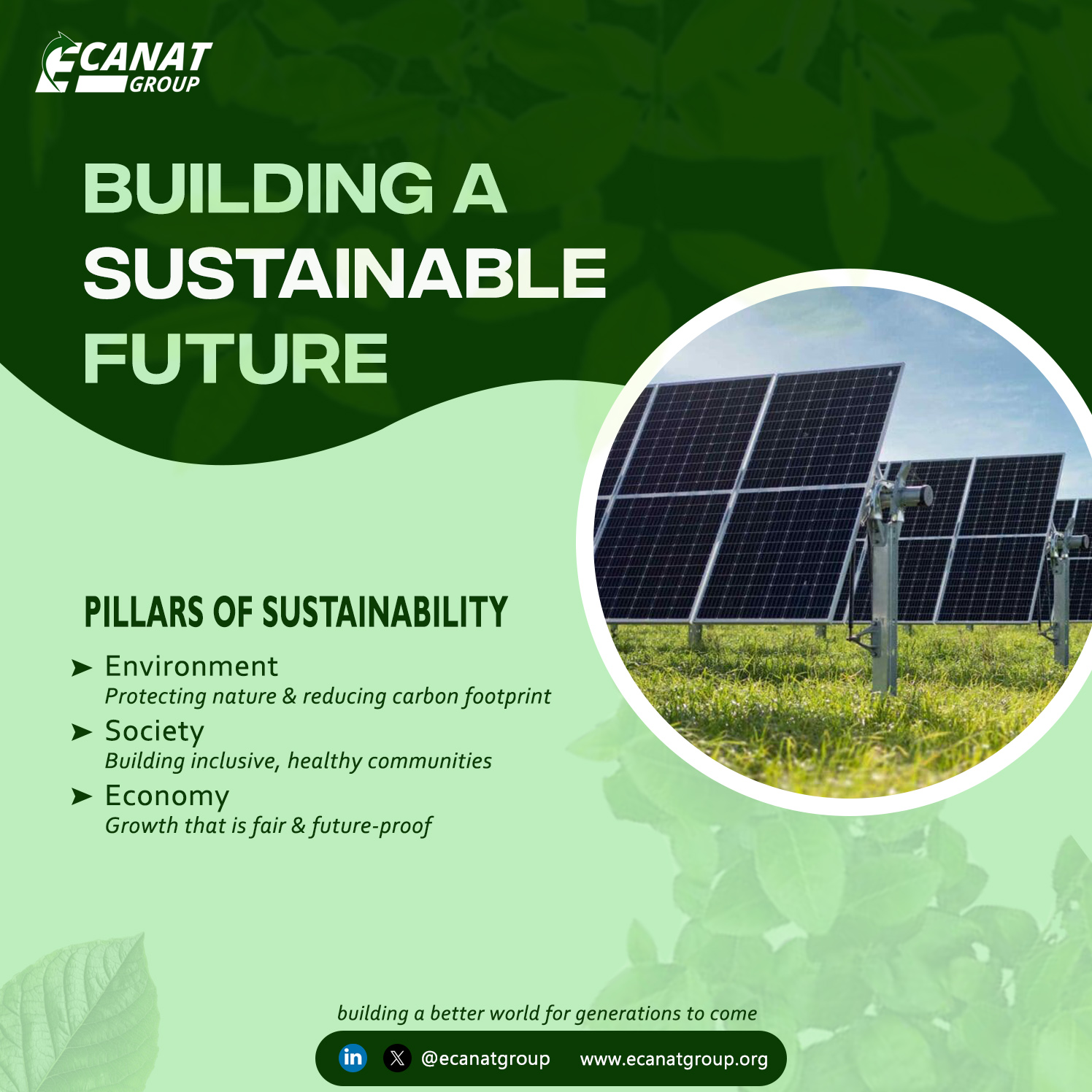
- Encouraging renewable energy and low-carbon development.
- Strengthening early warning systems for climate-related disasters.
- Building the capacity of farmers to adapt to changing weather conditions.
These measures not only reduce climate risks but also strengthen livelihoods and create more resilient communities.
Every Action Matters
Climate change can sometimes feel like a global challenge beyond individual control. Yet meaningful change begins with everyday decisions.
Planting trees, protecting wetlands, reducing environmental degradation, conserving water, supporting sustainable farming, and advocating for climate-conscious policies all contribute to building a healthier future.
The choices we make today will determine the quality of life for generations to come.
The Time to Act Is Now
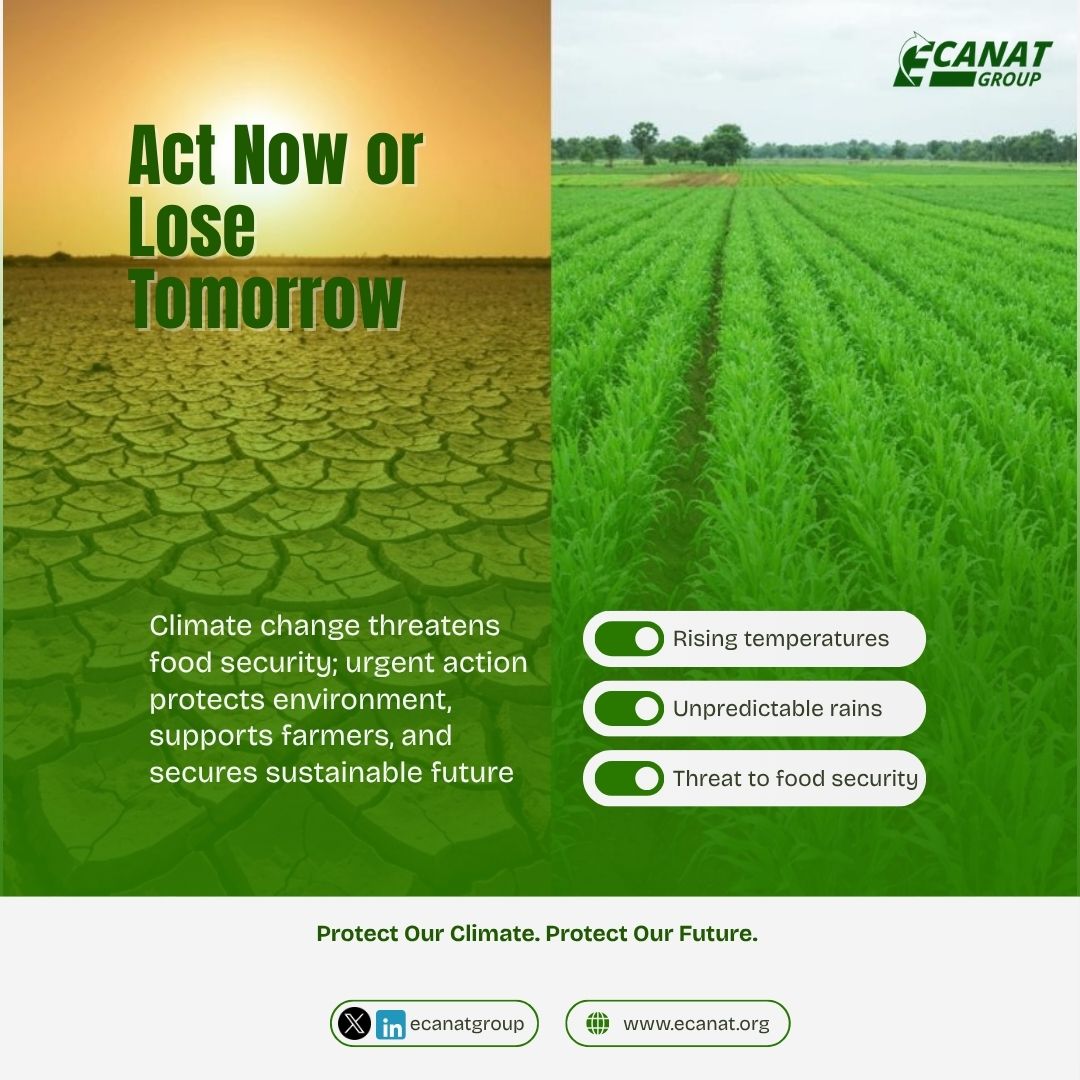
The contrast between a drought-stricken landscape and a thriving green field reminds us that our future is shaped by the decisions we make today. One path leads to declining productivity, environmental degradation, and growing food insecurity. The other leads to resilient communities, sustainable agriculture, and shared prosperity.
The future is not predetermined; it is built through action.
At ECANAT Group, we remain committed to partnering with governments, development organizations, researchers, and communities to develop evidence-based solutions that strengthen climate resilience, protect natural resources, and secure sustainable livelihoods.
Climate change is real. The evidence is clear. The responsibility is shared.
Act now or lose tomorrow.